I led the UX strategy and delivery for a £10M transformation program - replacing fragmented legacy systems with a user-centered platform for global marine surveyors.
The Challenge
Lloyd's Register needed to modernise its inspection and certification systems - used by thousands of marine surveyors and global clients. The existing tools were desktop-based, internally inconsistent, and reliant on manual processes.
Our brief: design a user-centered replacement for one of the most complex, safety-critical systems in the organisation - and do it collaboratively, with real users embedded in the team.
My Role
I led the UX and Design workstream across the full project lifecycle. My responsibilities included:
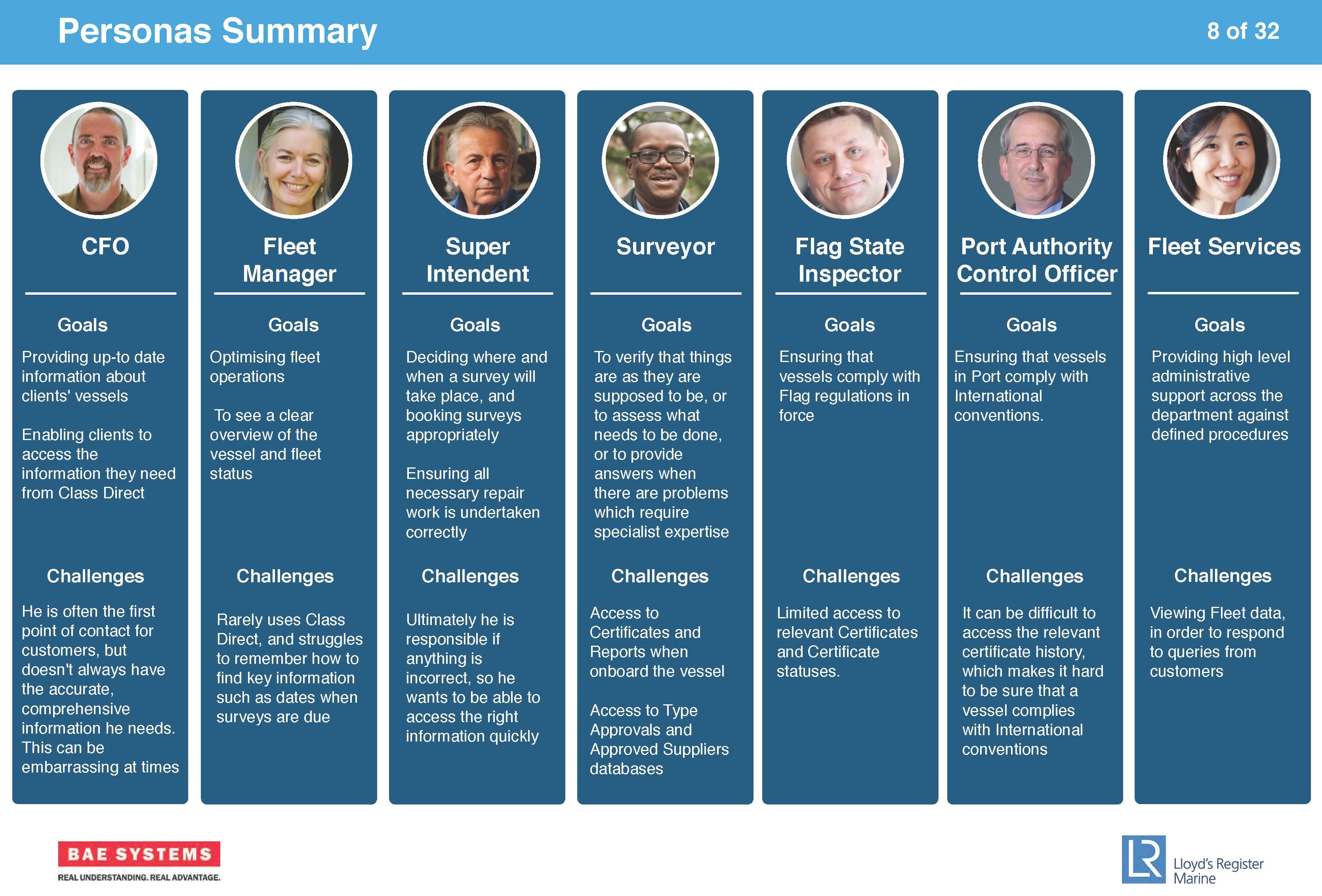
- Planning and executing global user research
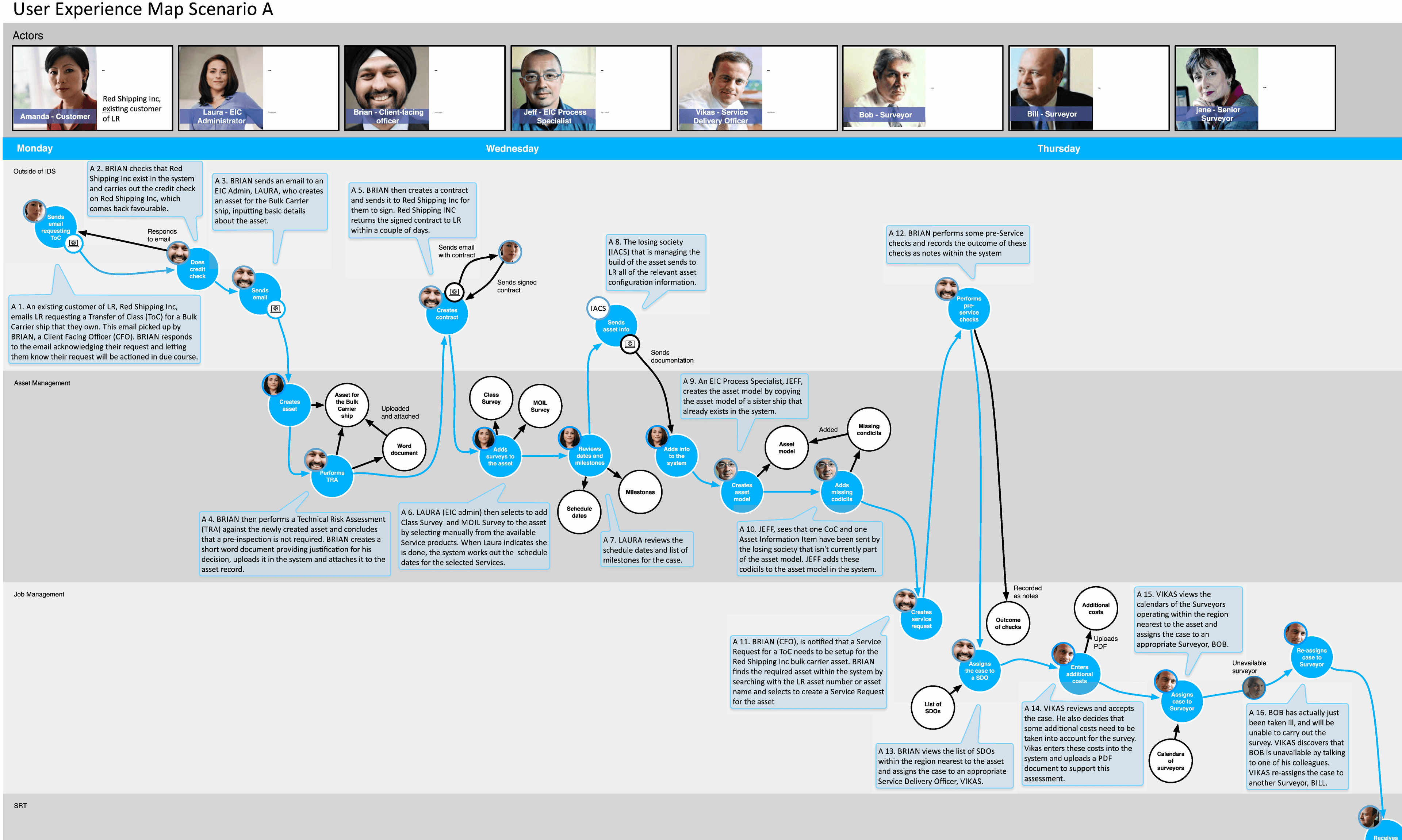
- Facilitating journey mapping and co-creation workshops
- Designing the site map, wireframes, and visual components
- Building a shared component library and style guide
- Leading usability testing across multiple iterations
- Collaborating closely with surveyors, analysts, PMs, and developers
The Outcome
The project became a reference point for UX maturity at Lloyd's Register. It improved internal workflows, reduced reliance on manual spreadsheets, and laid the foundation for broader digital transformation.
- Won "Creative Services Design of the Year" at BAE Systems
- Enabled design-led ways of working in a risk-averse sector
- Used as a template for future platform initiatives

Feedback
"LR absolutely love the UX design, which Paul, the Lloyd's Register Programme Director, calls 'sexy' and better than the competitors - so well done to the UX team."
- Andrew Ratcliff, Programme Manager
What I'm Proud Of
This was design at its most collaborative. By embedding users into our day-to-day work, we created a platform that truly reflected their needs - not assumptions.
It was also a lesson in diplomacy: balancing user insight, business pressure, and legacy complexity - all while delivering quality at pace.